Managing technology expenses efficiently is crucial for businesses aiming to maximize their return on IT investments. The right technology expense management software provides a comprehensive toolkit for tracking costs, optimizing budgets, and ensuring fiscal responsibility within an organization. When selecting a platform to assist your company, keep in mind that not all solutions are created equal. Below, discover the features that are indispensable in these applications and how they can revolutionize your expense management strategy.
Essential Features of Technology Expense Management Software
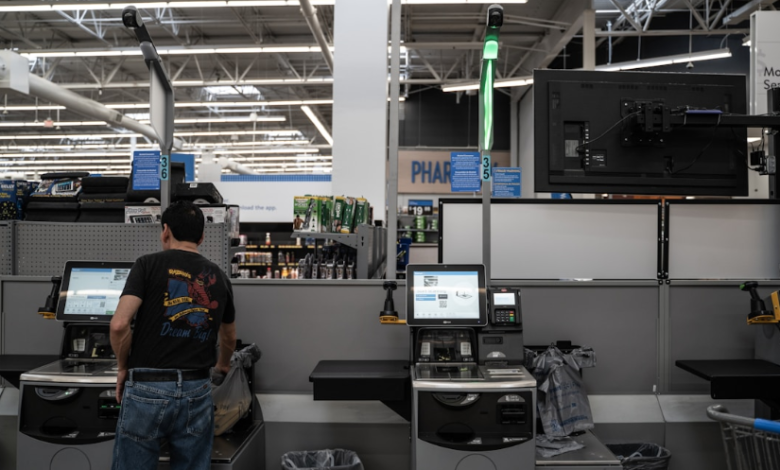
Alt text: A man stands in front of a store displaying various electronic machines, highlighting the best technology expense management software.
Accurate profiling, categorization, and approval workflows are key to controlling costs. The best technology expense management software, such as Cimpl, provides seamless data entry, customizable approval processes, and real-time financial visibility. These features ensure organizations know exactly where resources are allocated and that all spending undergoes proper review before commitments are made.
Equally important is strong user accessibility and rights management. With clear permissions in place, companies can control who views, approves, or edits expense data, protecting sensitive financial information while keeping decision-makers informed through dashboards and reporting tools.
Automation Capabilities in Expense Tracking and Reporting
Automation is reshaping expense management by reducing errors and saving time through automatic data capture from invoices, receipts, and other sources. Finance teams gain efficiency when routine tasks such as expense tracking and report generation no longer require manual input. Automated reporting ensures timely oversight, allowing businesses to identify spending issues quickly and use reports for financial analysis and strategic planning.
Beyond reporting, automation strengthens compliance by sending alerts for policy violations and unusual spending patterns. It also accelerates month-end processes through automated reconciliation with bank and credit card statements, delivering faster, more accurate closures. These capabilities improve accounting practices while enhancing cash flow management across the organization.
Integration with Existing Financial Systems and Platforms
Expense management software delivers the most value when it integrates seamlessly with existing financial systems. Connecting with accounting platforms, ERP solutions, and payment gateways eliminates duplicate data entry and ensures a single source of truth for financial records. This streamlined flow of information not only reduces errors but also simplifies reconciliations by linking directly with banking systems, making transactions more transparent and accurate.
Strong integration also drives collaboration across departments by providing shared data for budgeting, procurement, and forecasting. As organizations grow, the ability to connect with new modules and third-party applications ensures scalability. Expense management software with robust integration adapts alongside business needs, supporting efficiency and long-term growth.
Customizable Reporting and Analytics Tools

Alt text: A person using a laptop for reporting and analytic tools.
Customizable reporting and analytics in expense management software give businesses precision and flexibility in monitoring financial activity. From departmental budgets to vendor comparisons, tailored reports ensure stakeholders access the data most relevant to their goals. Dashboards provide transparency and accountability, allowing executives and managers to track spending patterns in real time. These personalized views turn financial oversight into a strategic advantage.
Beyond reporting, advanced analytics transform raw numbers into insights that drive smarter decisions. Businesses can forecast trends, identify cost-saving opportunities, and measure how expenses affect performance. Built-in compliance checks and custom parameters further safeguard against regulatory risks, streamlining audits while maintaining financial integrity.
See also: The Benefits of Multi-Channel Marketing Automation for Sales Teams
Security and Compliance Standards in Technology Expense Management
Security and compliance are critical in any financial management system, making them top priorities when selecting technology expense management software. The best platforms enforce strong encryption, strict access controls, and frequent security audits to protect sensitive data from breaches. Compliance features must also align with laws like GDPR and HIPAA, ensuring proper data retention, deletion, and privacy controls are built into daily operations.
Fraud detection is another essential safeguard, reinforcing financial protection and building trust with stakeholders. Leading providers also deliver regular updates and security patches to counter evolving threats. Choosing software backed by ongoing maintenance ensures long-term system integrity and reduces risks tied to financial and regulatory vulnerabilities.
Overall, when evaluating technology expense management software, each of the features discussed plays a critical role in the platform’s effectiveness. Security, automation, integration, customizability, and essential functionalities are the pillars upon which sound financial management is built. By prioritizing these aspects, businesses can select a solution that not only streamlines expense management processes but also contributes to the broader strategic goals of cost control and compliance.