Running a high-performance commercial kitchen requires more than skillful chefs and great recipes—it requires the right equipment, optimized workflows, and an understanding of modern food-service technology. As restaurants, bakeries, hotels, catering companies, and large food-production facilities continue to demand faster output and consistent quality, kitchen equipment innovations have become essential tools for staying competitive.
Today’s global market offers advanced machinery designed to reduce labor, streamline cooking processes, and enhance food safety. These innovations help businesses cut waste, control energy usage, and maintain smooth operations even during peak service hours. In this detailed guide, you’ll learn how commercial kitchens can dramatically boost efficiency by integrating modern equipment, optimizing layouts, and embracing new technology.
You will also find practical advice for selecting reliable equipment providers such as a trusted Commercial kitchen equipment manufacturer offering advanced solutions for food-service businesses worldwide.
Understanding Kitchen Efficiency and Its Impact on Operations
Efficiency in a commercial kitchen refers to how quickly and smoothly staff can prepare, cook, store, and serve food. High-efficiency kitchens have:
Faster preparation and cooking times
Minimal bottlenecks in workflow
Reduced food waste
Lower energy consumption
Better hygiene and safety
Consistent quality across all menu items
When a kitchen lacks modern equipment or uses outdated machinery, it experiences challenges like slow service, inconsistent cooking results, frequent equipment breakdowns, and increased operational costs. These issues can affect customer satisfaction and profitability.
The good news is that modern kitchen equipment innovations offer practical solutions to these problems while supporting long-term success.
Key Categories of Modern Commercial Kitchen Equipment
To improve efficiency, it’s helpful to understand the types of equipment that play major roles in today’s professional kitchens. Here are essential categories that every business should evaluate.
1. Food Preparation Equipment
Preparation often takes the most time, especially in high-volume kitchens. Modern prep equipment speeds up repetitive tasks while maintaining precision.
Common examples include:
Dough mixers and dough dividers
Vegetable cutters and slicers
Meat grinders
Planetary mixers
Bakery processing machines
Multi-function prep stations
These machines reduce manual labor, improve uniformity, and ensure faster meal prep during busy periods.
2. Cooking Equipment
Cooking technology has undergone significant advancements to support consistency and speed.
Key innovations include:
Convection ovens
Steam ovens and combi ovens
Automated fryers
High-efficiency griddles
Tunnel ovens
Deck ovens for bakeries
Programmable cooking systems
Smart temperature control, automation, and energy efficiency are key features that enhance overall productivity.
3. Refrigeration and Freezer Equipment
Temperature-controlled equipment is essential for food safety and storage optimization.
Modern units include:
Blast chillers
High-capacity freezers
Undercounter refrigerators
Display fridges
Walk-in cold rooms
Smart sensors, better insulation, and optimized compressor technology help reduce energy usage and maintain consistent cooling.
4. Baking and Dough Processing Equipment
Bakeries, cafes, pastry shops, and large-scale food manufacturers depend heavily on reliable dough and baking systems.
Examples include:
Spiral mixers
Dough sheeters
Dough moulders
Provers and proofing cabinets
Multi-tray rotary ovens
These machines support consistency in bread and pastry production while allowing businesses to scale their output.
5. Food Packaging Equipment
For businesses offering takeaway meals or pre-packed food products, automation in packaging leads to major efficiency gains.
Examples:
Sealing machines
Vacuum packaging systems
Portioning machines
Wrapping equipment
Packaging innovation helps preserve freshness and accelerates order fulfillment.
How Modern Equipment Improves Kitchen Productivity
Modern kitchen technologies do more than replace manual processes—they transform operations. Here’s how they improve efficiency from all angles.
1. Faster Food Preparation
Advanced slicers, mixers, grinders, and dough machines complete repetitive tasks in seconds. By reducing labor pressure, kitchens can handle more orders with fewer delays.
2. Consistent Cooking Results
Programmable ovens and automated fryers maintain precise temperatures and timing. This ensures:
Identical results for every batch
Fewer burnt or undercooked items
Easier staff training
Improved food quality
Consistency is one of the biggest contributors to customer satisfaction.
3. Reduced Labor Requirements
Automation helps kitchens operate efficiently even with fewer staff members. It also reduces the likelihood of worker fatigue and injury, particularly in high-demand environments.
4. Lower Energy Consumption
Energy-efficient equipment has become a priority in both small and large kitchens. Modern machines include:
Improved insulation
Energy-saving heating systems
Smart sensors that adjust usage
Eco-friendly motors
This leads to significant cost savings over time.
5. Enhanced Food Safety and Hygiene
Modern machines are designed with hygiene in mind. Features like stainless steel surfaces, easy-clean designs, sealed components, and temperature monitoring help maintain sanitary conditions.
6. Optimized Space Management
Newer equipment is often more compact and multi-functional, allowing businesses to maximize limited kitchen space. This is especially important in urban restaurants and food kiosks.
Signs That Your Commercial Kitchen Needs an Upgrade
If you’re unsure whether your kitchen needs new equipment, look for these signs:
Frequent breakdowns or maintenance issues
Slow food preparation times
Inconsistent dish quality
High electricity bills
Difficulty managing rush hours
Outdated safety features
Limited production capacity
High labor requirements
Negative customer feedback due to delays
Upgrading to modern equipment can solve these problems and improve the overall workflow.
Key Innovation Trends in Commercial Kitchen Equipment
The food-service industry is evolving quickly, and equipment manufacturers are introducing advanced designs to meet growing demands. Here are the top emerging trends.
1. Smart Kitchen Technology
Smart sensors and connectivity features allow equipment to communicate with each other and with cloud-based systems. They can:
Adjust temperatures automatically
Monitor food safety
Send maintenance alerts
Reduce energy use
Track daily operations
These features ensure consistent performance and reduce downtime.
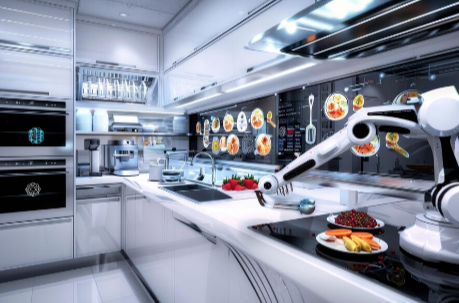
2. Automation and Robotics
Automated fryers, dough processors, packaging machines, and cooking systems reduce manual labor and increase production.
Robotics is becoming especially valuable in:
Bakeries
High-volume catering
Restaurant chains
Industrial food factories
3. Multi-Function Equipment
Modern machines often combine several functions in one unit, allowing kitchens to reduce clutter and save space.
Examples include:
Combi ovens (steam + convection)
Multi-function prep stations
Programmable bakery systems
4. Eco-Friendly and Energy-Efficient Designs
Manufacturers are prioritizing sustainability through:
Low-energy motors
Eco-heat recovery systems
Recyclable materials
Water-saving cleaning systems
This supports both environmental goals and cost reduction.
How to Choose the Right Equipment for Your Kitchen
Selecting equipment is a major investment, so careful evaluation is essential. Consider the following factors:
1. Production Volume
Choose machinery that can handle your daily or seasonal workload.
2. Menu Requirements
Each kitchen has unique needs based on its cuisine and service style.
3. Space Availability
Measure accurately and consider the flow of movement when choosing equipment.
4. Energy Efficiency
Select appliances that reduce long-term electricity and gas costs.
5. Durability and Material Quality
Stainless steel construction and industrial-grade components ensure longevity.
6. Ease of Cleaning
Simple maintenance helps maintain food safety standards.
7. Safety Features
Look for temperature controls, anti-slip surfaces, protective covers, and automatic shut-off mechanisms.
8. Vendor Reliability
Work with trusted manufacturers known for quality, service, and technical expertise.
A reputable provider such as Commercial kitchen equipment manufacturer offers durable machines, global service, and advanced technology for professional kitchens.
Why Many Businesses Choose Manufacturers Like Mirabake
Global equipment manufacturers with strong reputations in the food-service industry offer many advantages.
1. Wide Range of Professional Equipment
They supply everything from bakery machines to large-scale cooking systems, suitable for restaurants, hotels, bakeries, and food factories.
2. Advanced Technology
With modern manufacturing processes and innovative engineering, their equipment supports fast, reliable, and efficient production.
3. High Quality Standards
Quality materials and strict inspections ensure long-lasting performance.
4. Global Availability
English-friendly support and worldwide shipping make it easy for businesses to source machines across borders.
5. Custom Solutions
Many manufacturers provide tailored equipment based on the client’s exact needs, which improves overall workflow efficiency.
Strategies to Increase Efficiency Beyond Equipment Upgrades
While modern machinery is crucial, additional strategies also contribute to a high-performing kitchen.
1. Improve Kitchen Layout
Adopt the “work triangle” concept, ensuring smooth movement between prep, cooking, and cleaning stations.
2. Train Staff Properly
Even the best equipment requires knowledgeable employees to operate it effectively.
3. Maintain Equipment Regularly
Preventative maintenance reduces downtime and prolongs machinery life.
4. Standardize Recipes and Procedures
Consistency helps speed up service and reduces waste.
5. Monitor Inventory Efficiently
Smart inventory tracking prevents shortages and over-ordering.
6. Streamline Order Management
Use digital ordering systems to eliminate communication errors.
The Future of Commercial Kitchens
The next generation of commercial kitchens will be highly automated, data-driven, and eco-friendly. Expect to see:
Fully integrated smart cooking systems
Robotics in food preparation
Zero-waste technologies
Energy-optimized kitchen layouts
Advanced bakery solutions for mass production
Higher demand for compact multi-function machines
Businesses that embrace these innovations early will stay ahead in a rapidly changing industry.
Final Thoughts
Commercial kitchen efficiency is the key to delivering fast service, maintaining food quality, and improving profitability. Modern equipment innovations—ranging from automated prep machines to smart ovens and advanced refrigeration—allow kitchens to operate with precision, reduce labor challenges, and scale production with ease.
By partnering with a trusted Commercial kitchen equipment manufacturer, businesses can access high-quality machinery designed for today’s demanding food-service environment. Whether you run a restaurant, bakery, hotel, café, or large food-production facility, upgrading your equipment and embracing new technology will help you achieve smoother operations, happier customers, and long-term growth.