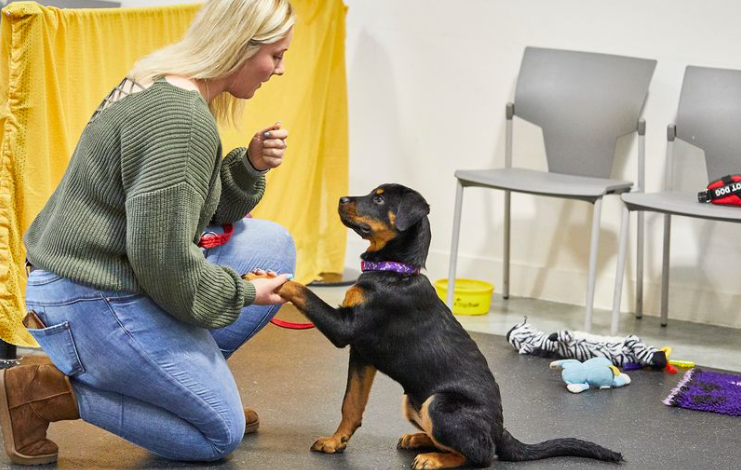
Bringing a new puppy home is exciting, heartwarming, and sometimes a little overwhelming. One moment your puppy is cuddly and calm, and the next they are chewing shoes, jumping on guests, or barking at every sound. This is completely normal. Puppies are learning about the world, and without guidance, they often develop habits that are hard to fix later.
That is where professional puppy training classes come in. These classes are designed to teach puppies essential life skills while helping owners understand how to communicate with their dogs. Professional training is not just about commands. It is about shaping behaviour, building confidence, and creating a strong bond that lasts a lifetime.
In this article, we will explore exactly what puppies learn in professional training classes and why early training plays such a big role in raising a calm, happy, and well-behaved dog.
What Is Professional Puppy Training?
Professional puppy training is a structured learning program led by qualified dog trainers. These classes usually take place in small groups and focus on teaching puppies basic skills using positive reinforcement methods.
Unlike casual playtime or home training, professional classes follow a clear plan. Trainers work on specific behaviours while also educating owners on how to continue training at home. Puppies learn through repetition, rewards, and social interaction, which helps them understand what is expected of them in everyday life.
Many owners choose Puppy Schools Melbourne to give their puppies a strong foundation in behaviour, social skills, and obedience in a safe and controlled environment.
Key Foundations Puppies Learn in Training Classes
Early Socialisation
Socialisation is one of the most important things puppies learn. During training classes, puppies interact with other dogs, people, and new environments in a positive way.
They learn how to:
- Play without being rough
- Stay calm around strangers
- Feel comfortable with new sounds, smells, and situations
Proper socialisation reduces fear, anxiety, and aggression later in life. Puppies that miss this stage often grow into nervous or reactive adult dogs.
Basic Obedience Skills
Professional classes focus on simple but powerful commands that shape daily behaviour. These include:
- Sit
- Stay
- Come
- Down
- Leave it
These commands teach puppies how to listen, focus, and respond even when there are distractions. Obedience training builds the foundation for good manners at home and in public places.
Leash Manners and Handling
Many puppies struggle with walking on a leash. They pull, bite the lead, or refuse to move. Training classes teach puppies how to walk calmly and stay close to their owner.
Handling exercises also help puppies get used to:
- Being touched
- Having their paws checked
- Being brushed or examined
This makes vet visits, grooming, and nail trimming much easier and less stressful.
Bite Inhibition and Play Etiquette
Puppies naturally explore the world with their mouths. This often leads to nipping hands, clothes, or furniture. In training classes, puppies learn bite inhibition, which means controlling the strength of their bite.
Through play with other puppies, they learn:
- How hard is too hard
- When to stop
- How to respond to social cues
This skill is essential for safety and helps prevent aggressive behaviour later.
See also: 7 Ways A Yoga Teacher Training Can Change Your Life
What Puppies Also Gain from Training
Building Confidence
Training exposes puppies to new situations in a positive way. Over time, they become more confident and less fearful.
Confident puppies are:
- Less reactive to noise
- More relaxed around strangers
- Better at adapting to change
This confidence carries into adulthood and makes everyday life easier for both the dog and the owner.
Strengthening the Puppy-Owner Bond
Training is not just about teaching the puppy. It also teaches the owner how to communicate clearly and consistently.
Owners learn:
- How dogs think and learn
- How to reward good behaviour
- How to avoid common training mistakes
This shared learning process builds trust and strengthens the emotional connection between puppy and owner.
Preventing Behavioural Issues Later
Many adult dog problems start in puppyhood. Chewing, barking, jumping, and separation anxiety often develop when puppies do not receive proper guidance early.
Professional training helps prevent:
- Destructive behaviour
- Excessive barking
- Fear-based aggression
- Poor impulse control
It is much easier to teach good habits than to fix bad ones later.
What to Look for in a Good Puppy Training Program
Not all puppy classes are the same. A good training program should focus on positive reinforcement and gentle guidance.
Look for programs that offer:
- Qualified and experienced trainers
- Small class sizes
- Controlled play sessions
- Clear guidance for home practice
Avoid programs that use punishment, fear, or harsh tools. Puppies learn best when they feel safe, supported, and rewarded.
When to Start and What to Expect
Most puppies can start training classes between 8 to 16 weeks, depending on vaccination status. This period is known as the socialisation window and is the most important learning phase.
A typical puppy training course includes:
- Weekly sessions
- Group exercises
- Homework for owners
- Gradual skill progression
Do not expect instant perfection. Puppies need time, patience, and repetition. The real results come from consistent practice at home.
Why Puppy Schools Matter
Puppy training is not just about the early months. It shapes the dog’s entire future.
Puppy schools help:
- Reduce surrender rates
- Improve public behaviour
- Create calmer households
- Build safer communities
Well-trained puppies grow into dogs that are easier to manage, happier to live with, and more welcome in social spaces.
Closing Thoughts
Professional puppy training classes provide much more than simple obedience. They teach puppies how to behave, how to interact, and how to feel confident in the world around them.
From socialisation and basic commands to emotional development and behaviour control, training sets the foundation for a lifetime of good habits. For any dog owner who wants a well-balanced, friendly, and confident dog, professional puppy training is one of the best investments they can make.