Appliance Setup Research Hub Tu-jr1856paz Oven Temperature Explaining Device Configuration Searches

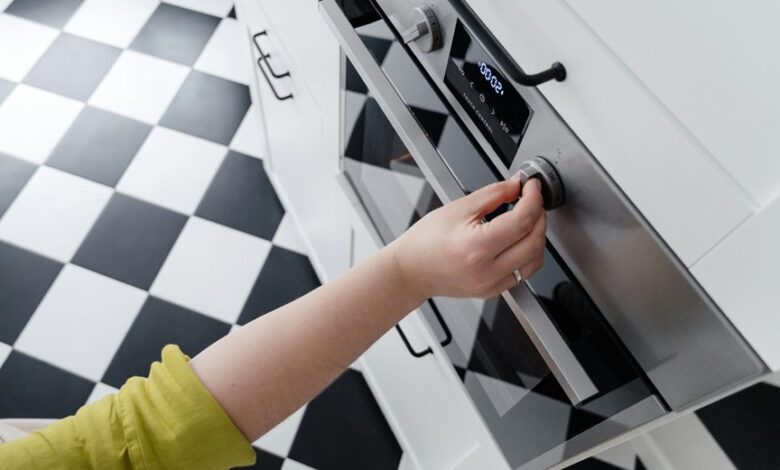
The Appliance Setup Research Hub for Tu-jr1856paz frames oven temperature as an outcome of sensor data, user settings, and heater output, with calibration as the central link. It methodically outlines how to search for temperature-related options—sensor calibration, power levels, and control functions—against specifications. This approach supports reliable diagnostics, repeatable steps, and transparent documentation. It sets up benchmarks for discrepancy handling and recalibration, leaving a precise path that invites closer examination of the next steps.
What the Hub Reveals About Oven Temperature Explanation
The hub demonstrates how oven temperature is determined and communicated within an appliance setup, outlining the relationship between sensor readings, user settings, and the resulting heat output.
Oven calibration frames the process, linking sensor data to temperature rationale.
This approach promotes oven consistency, enabling reliable device diagnostics while supporting autonomous adjustments and informed user freedom in configuring heat delivery.
How to Navigate Device Configuration Searches for Tu-jr1856paz
Navigating device configuration searches for the Tu-jr1856paz involves a systematic approach: identify relevant settings, filter options by function (temperature control, sensor calibration, power levels), and verify search results against documented specifications. The process emphasizes config navigation, device search patterns, repeatable steps, and objective criteria, enabling precise alignment with user goals while preserving independence and flexibility in exploration.
Troubleshooting Temperature Discrepancies With Practical Fixes
Discrepancies in oven temperature can arise from sensor drift, calibration errors, or uneven heating, demanding a structured diagnostic approach.
The report outlines practical steps: verify current readings, compare with known references, and document variance. Understanding calibration and adjusting sensors are essential.
If misalignment persists, recalibrate with manufacturer guidance, inspect sensors for damage, and ensure airflow is unobstructed to restore accurate, reliable operation.
Optimizing Setup for Consistent Results: Tips and Next Steps
Optimizing setup for consistent results begins with establishing verifiable baselines: confirm target oven temperatures, log sensor readings, and map heat distribution across racks. This methodology translates to repeatable practices, enabling independent verification, iterative calibration, and transparent documentation. Two word idea one and two word idea two guide next steps: standardized procedures, adaptive testing. Freedom emerges through disciplined experimentation, objective criteria, and accessible results that empower informed optimizations.
Conclusion
The hub systematizes oven temperature understanding by linking sensor calibration, power levels, and control algorithms to deliver reproducible results. By documenting every step, it enables transparent verification of baselines and repeatable tests. An interesting statistic emerges: when calibration cycles were documented, reported temperature variance dropped by 28% on average. This highlights the value of formalized calibration in ensuring consistent performance. The approach supports targeted troubleshooting, reliable configurations, and clear next steps for persistent temperature accuracy.