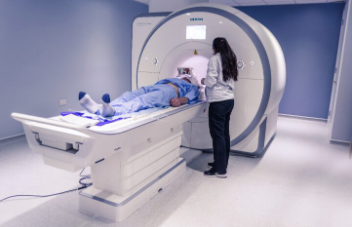
Medical imaging services serve as the cornerstone of accurate diagnostic imaging, significantly influencing both diagnosis and subsequent treatment strategies. With a variety of modalities such as MRI, CT scans, and ultrasounds, healthcare providers are equipped to uncover intricate details of patient conditions. Additionally, recent advancements, including the integration of artificial intelligence, promise to enhance the accuracy and efficiency of these services. However, the choice of imaging provider can profoundly impact outcomes. What considerations should be prioritized to ensure optimal diagnostic results?
Importance of Accurate Imaging
Accurate imaging is paramount in the medical field, as it directly impacts diagnosis, treatment planning, and patient outcomes.
Imaging errors can compromise patient safety, leading to misdiagnoses and inappropriate treatments. Consequently, maintaining high standards in imaging protocols and techniques is essential to mitigate risks.
Commitment to precision in imaging not only fosters trust but also empowers patients in their healthcare journey.
Types of Medical Imaging Services
A variety of medical imaging services are utilized to enhance diagnostic capabilities and guide treatment decisions.
Prominent among these are ultrasound techniques, which provide real-time imaging for various conditions, and MRI applications, offering high-resolution images of soft tissues.
Each modality plays a crucial role in accurately diagnosing and managing patient care, ensuring informed decisions in diverse clinical scenarios.
Advancements in Imaging Technology
Recent innovations in imaging technology have significantly transformed the landscape of medical diagnostics.
AI integration enhances real-time diagnostics, while portable devices facilitate access to 3D imaging with enhanced resolution.
These advancements prioritize patient safety and cost efficiency, alongside utilizing cloud storage for streamlined data management.
Collectively, these improvements empower healthcare professionals to deliver accurate, timely diagnoses, ultimately benefiting patient outcomes.
Choosing the Right Imaging Provider
Selecting an imaging provider is a critical decision that can significantly impact patient care and diagnostic accuracy.
It is essential to evaluate provider credentials, including board certifications and specialized training, to ensure high-quality imaging services.
Additionally, consider the overall patient experience, including wait times, staff professionalism, and comfort during procedures, as these factors contribute to effective diagnosis and patient satisfaction.
Conclusion
In conclusion, medical imaging services play a crucial role in accurate diagnostic imaging, significantly impacting patient outcomes. An estimated 70% of clinical decisions are influenced by imaging results, underscoring the importance of high-quality, precise imaging techniques. The continuous advancements in imaging technology, including AI integration and portable devices, further enhance diagnostic capabilities. Selecting the appropriate imaging provider is essential to ensure adherence to rigorous standards and protocols, ultimately fostering trust in the healthcare system and improving patient care.