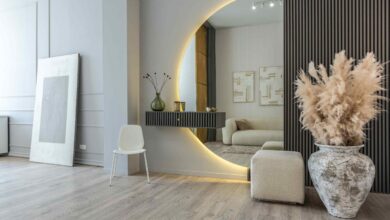
Design trends for 2026 are not about chasing novelty. They are about slowing down, choosing with intention, and creating spaces that feel meaningful long after the moment passes. Homes are becoming quieter, warmer, and more grounded. Instead of making dramatic changes, people are focusing on materials, proportions, and craftsmanship that endure over time.
In this mindset, every detail in living spaces is important. From curved seating to oval coffee tables, the shift is toward softer forms and furniture that feels considered rather than decorative. The goal is not perfection, but comfort layered with quiet sophistication.
The 2026 Shift Toward Calm and Character
The defining aesthetic of 2026 is restraint. Interiors are moving away from high contrast and fast trends, favoring spaces that feel calm and personal. Neutral colors, tactile materials, and smart layouts encourage people to stay longer in a room.
This shift is especially noticeable in how furniture is selected. Instead of mixing too many styles, homeowners are choosing fewer pieces with a stronger presence. A well-crafted dining table, a sculpted bed frame, or a carefully finished cabinet becomes the visual anchor of the room.
Why Solid Wood Leads the 2026 Aesthetic
Solid wood continues to define luxury interiors because it connects spaces to nature in an honest way. Indian rosewood offers depth and dramatic grain, while teak wood brings natural resistance and warmth. Acacia wood introduces subtle variation, and mango wood adds an easy elegance that feels lived in rather than staged.
In 2026, these materials will not be hidden under heavy finishes. Shades like Pure Essence highlight natural grain, while Honey Glaze enhances warmth without overpowering the wood. Cocoa Ember and Mocha Luxe create grounded interiors that feel intimate and refined, especially in dining and bedroom spaces.
Modern and Mid-Century Styles Come Together
One of the most interesting changes in 2026 design is how modern and mid-century influences are blending naturally. Clean lines combine with natural materials to create interiors that feel both structured and inviting.
Beds like the Carmel Bed reflect this balance. Its proportions feel contemporary, but the craftsmanship nods to traditional joinery.
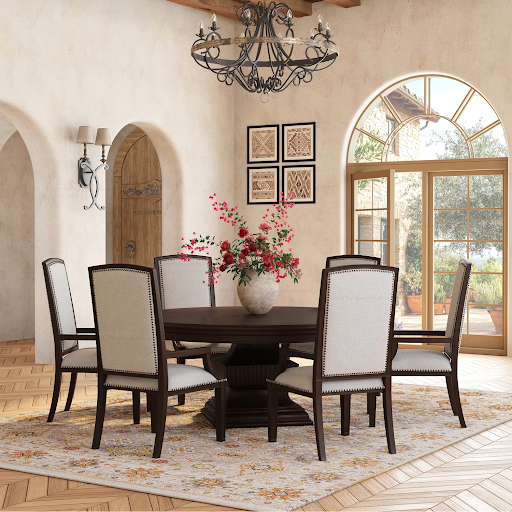
In dining spaces, a well-designed solid wood dining set becomes a focal point that feels both functional and expressive. These combinations allow homes to feel current without losing warmth.
Softer Shapes Define Living Spaces
Sharp angles are giving way to curves in 2026. Rounded edges, arched details, and fluid silhouettes are becoming essential, especially in living rooms. This is where oval coffee tables appear again, offering visual softness while maintaining practicality.
These shapes encourage movement and conversation. They make spaces feel safer, more relaxed, and less formal. When paired with wood construction and muted finishes like Ivory Drift or Desert Bloom, they bring an understated elegance that aligns perfectly with the year ahead.
Dining Spaces Built for Connection
Dining rooms in 2026 are less about formality and more about gathering. Furniture choices reflect this shift by emphasizing comfort and adaptability. A well-proportioned, solid wood dining set supports daily use while still feeling special enough for meaningful occasions.
Expandable tables, comfortable seating, and natural finishes allow dining spaces to adapt without feeling cluttered. Shades like Mahogany Luxe and Sangria Blush add depth and warmth, especially in homes that value shared meals and conversation over visual perfection.
Bedrooms Designed for Rest, Not Display
Bedrooms are becoming more personal and less performative. The focus is on rest, balance, and materials that feel grounding. Wooden beds with clean lines and elegant detailing support this direction.
The Hollywood Floating Bed illustrates how design can appear light while maintaining substance. Its elevated structure creates visual space, while the craftsmanship ensures durability. In 2026, bedroom furniture is expected to support well-being as much as aesthetics.
When Craft Becomes the Language of Design
More than any single trend, craftsmanship defines the 2026 aesthetic. People are paying attention to how furniture is made, not just how it looks. Hand-finished surfaces, traditional joinery, and carefully chosen materials add depth that cannot be replicated through mass production.
This appreciation for detail is why well-designed wooden furniture continues to feel relevant. Each piece tells a quiet story through its grain, texture, and finish. Over time, these elements evolve rather than wear out, aligning perfectly with the slower design mindset of 2026.
Designing with Intention for a Cohesive Home
The key to embracing the 2026 aesthetic is intention. Rather than filling rooms quickly, homeowners are choosing fewer pieces that offer lasting value. Whether it is the curve of a coffee table, the tone of a dining set, or the craftsmanship of a bed, every decision contributes to the overall experience of the space.
This allows interiors to feel cohesive without being rigid. It encourages personal expression while respecting timeless design principles.
Conclusion
As 2026 approaches, interior design continues to evolve into something more intentional and deeply human. Homes are being shaped around comfort, longevity, and the way people truly live rather than short-lived trends. Natural materials that mature beautifully, furniture that supports everyday life, and spaces that feel grounded and calming are defining this new aesthetic direction.
Understanding these shifts helps homeowners make thoughtful, long-term choices. Prioritizing well-crafted wood, valuing skilled craftsmanship, and embracing balanced forms allows interiors to remain relevant, personal, and functional for years to come.
For those seeking furniture that reflects these principles, exploring brands that focus on craftsmanship and material integrity can make the right choice. This is where The Rural Art naturally aligns, offering designs that respect tradition, celebrate quality, and support the creation of homes meant to be lived in, not just styled.