How to Comply with FDA Supplement Label Requirements: A Checklist for Private-Label Manufacturers

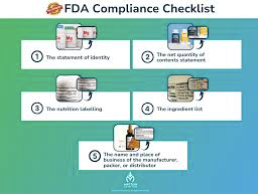
Navigating fda supplement label requirements is one of the most important responsibilities for any private-label supplement manufacturer striving to stay compliant and competitive. With strict guidelines governing everything from ingredient listings to health claims, even small mistakes can lead to costly delays or regulatory action. In this article, we’ll break down the essential elements you need to include on your supplement labels, offering a clear, practical checklist to ensure your products meet all FDA standards. Whether you’re new to private labeling or refining your existing process, this guide will help you create labels that are accurate, compliant, and ready for market.
Understanding Supplement Label Requirements
What Is a Dietary Supplement?
A dietary supplement is a product taken to support your diet, such as vitamins or minerals. It is meant to add nutrients, not replace regular meals, according to the FDA. It can contain one or more of the following:
- Vitamins or minerals.
- Herbs or botanicals.
- Amino acids.
- Other dietary ingredients or their extracts and combinations.
Dietary supplements must:
- Be taken by mouth (capsules, tablets, powders, softgels, or liquids).
- Not to be marketed as regular food or a meal replacement.
- Be clearly labeled and sold as a dietary supplement.
Supplements are regulated as foods, not drugs. This affects what claims you can make and how the label must look.
Why FDA Label Compliance Matters
The product label is the legal identity of your supplement and the main way you communicate with consumers. FDA rules require every supplement label to include:
- Statement of Identity (what the product is).
- Net Quantity of Contents (how much is in the package).
- Supplement Facts Panel.
- Full Ingredient List.
- Name and Address of the manufacturer, packer, or distributor.
Risks of Non-Compliance
If labels are incorrect or misleading, products may be considered misbranded, leading to:
- FDA warning letters.
- Product recalls.
- Fines or legal penalties.
- Import detention or refusal for overseas products.
Getting labels right is essential for long-term success in the supplement industry.
FDA Regulations for Dietary Supplement Labeling
Dietary supplements in the U.S. are regulated by the FDA as foods, not drugs. This means supplement labels must follow specific rules to ensure consumers receive accurate and safe information.
- Required Label Elements
Every dietary supplement label must include:
- Statement of identity (product name and “dietary supplement”).
- Net quantity of contents (number of capsules, weight, or volume).
- Supplement Facts panel.
- Ingredient list.
- Name and place of business of the manufacturer, packer, or distributor.
- U.S. contact information (address or phone number) for reporting serious adverse events.
Missing any of these items can cause the product to be considered misbranded.
- Supplement Facts Panel Rules
Must list dietary ingredients, serving size, and servings per container
Nutrients with established Daily Values must show:
- Amount per serving.
- % Daily Value (%DV).
Ingredients without a Daily Value (herbs, amino acids) must show:
- Amount by weight.
- A note stating “Daily Value not established”.
Serving size must match the recommended use (1 capsule, 2 tablets).
- Ingredient List & Allergens
Ingredients must be listed in descending order by weight
- Non-dietary ingredients (capsules, fillers, flavors) must appear under “Other Ingredients.”
- Major food allergens (including sesame) must be clearly declared in the ingredient list or a “Contains” statement.
FDA labeling rules protect consumers and your business.
Claims and Marketing Language Compliance
When marketing dietary supplements, the words you use matter. The FDA strictly regulates what you can and cannot claim on labels, websites, ads, and social media.
Types of Claims Allowed
- Structure / Function Claims (Allowed)
These describe how a nutrient supports normal body functions.
Examples:
- “Supports immune health”.
- “Helps maintain joint mobility”.
- “Promotes healthy digestion”.
Requirements:
- Must be truthful and supported by evidence.
- Must include the FDA disclaimer: “This statement has not been evaluated by the FDA. This product is not intended to diagnose, treat, cure, or prevent any disease.”
- FDA must be notified within 30 days of first marketing.
- Health Claims (Limited & Regulated)
These link a nutrient to reduced disease risk.
Examples:
- Calcium and vitamin D may reduce the risk of osteoporosis.
Requirements:
- Must be FDA-authorized.
- Must meet scientific agreement standards or include qualifying language.
- Claims That Are NOT Allowed
Disease Claims (Prohibited)
You cannot claim a supplement treats, cures, or prevents disease.
Not allowed examples:
- “Treats diabetes”
- “Prevents COVID-19”
- “Lowers blood pressure.”
Making these claims can cause the FDA to classify your product as a drug, triggering enforcement action.
- Marketing Goes Beyond the Label
FDA rules apply to:
- Product labels.
- Websites and landing pages.
- Social media posts.
- Influencer marketing.
- Advertising materials.
All messaging must stay compliant.
Compliant claims protect your business, build consumer trust, and keep your products legally on the market.
Common Labeling Mistakes to Avoid
- Making False or Restricted Health Claims
Do not claim that your supplement treats, cures, or prevents diseases. These are considered drug claims under FDA rules.
What to do instead:
- Use structure/function claims.
- Always include the FDA disclaimer.
- Notify the FDA within 30 days of first marketing.
- Make sure all claims are truthful and backed by evidence.
- Label Formatting and Design Errors
Label formatting and design errors are common. Many products fail because their labels do not follow the required format and design rules.
Common mistakes to avoid:
- Incorrect or unboxed Supplement Facts panel.
- Title not bold or large enough.
- Text smaller than 1/16 inch or hard to read.
- The required information was placed in the wrong order.
- Extra graphics or text breaking up the required label content.
Proper formatting is a basic but critical FDA requirement.
- Not Updating Labels When Rules Change
Not updating labels is a common mistake. FDA rules change over time, so product labels must be updated to stay compliant.
Examples:
- Updates to Daily Values.
- Changes to nutrition units or required disclosures.
Best practice:
- Regularly review FDA guidance.
- Update label artwork and specifications.
- Conduct periodic label compliance audits.
- Legal and Financial Risks of Mislabeling
Mislabeling is a serious issue. Under FDA law, it is considered misbranding and can lead to legal action or financial penalties.
Possible consequences include:
- FDA warning letters.
- Product seizures or recalls.
- Import bans.
- Fines or criminal penalties.
- Damage to brand reputation.
In serious cases, companies have had to pay millions in fines because their labels and claims did not follow the rules.
Most labeling mistakes can be avoided. Using clear wording, proper formatting, regular updates, and checking regulations helps protect your business.