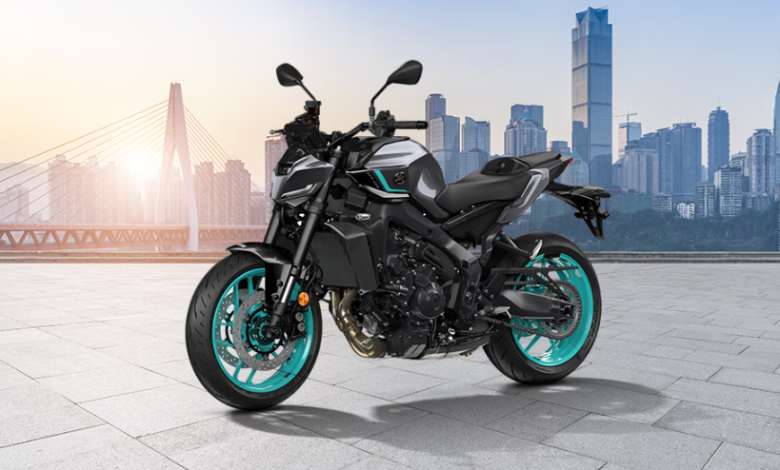
Choosing the right bike is an exciting decision, yet it can quickly become overwhelming when you walk into a professional bike dealership and see rows of models, styles, and features. A reputable dealership aims to make this experience clearer by offering expert guidance, hands-on comparisons, and insights that help you choose a bike that truly suits your lifestyle. Understanding what to look for before you explore the showroom ensures you get the best value while finding a ride that feels perfect from the very first pedal.
Identifying Your Riding Purpose
Every great bike purchase begins with a clear understanding of how you plan to ride. Professional bike dealerships typically categorise models by purpose: fitness riding, commuting, mountain biking, road touring, gravel adventures, or casual weekend cruising. Knowing your primary use narrows the search dramatically. For example, a commuter may need a durable, low-maintenance bike with fenders and rack compatibility, while a mountain biker will focus on suspension and tyre grip. When you can clearly describe your riding goals, dealership staff can guide you directly to models that align with your everyday needs and long-term aspirations.
Evaluating Frame Materials And Geometry
Frame material is one of the most important differences you will compare among models. Aluminium frames are common because they are lightweight, affordable, and strong. Carbon fibre frames deliver higher performance, offering smoother rides and superior vibration absorption, which road riders often prefer. Steel frames remain popular among touring riders for their comfort and durability. A professional dealership will usually have examples of each material on display so you can feel weight differences and assess comfort firsthand.
Geometry also plays a key role in performance and comfort. Road bikes tend to have a more aggressive geometry that positions the rider forward, enhancing speed. Mountain bikes offer a more upright geometry that improves control over rough terrain. Hybrid models fall somewhere in the middle. Comparing models in person allows you to sit on each frame type and determine which posture feels natural for your body and riding habits.
Understanding Drivetrain Options
Another essential comparison between models is the drivetrain. The number of gears, the type of shifters, and the overall drivetrain quality all influence how smoothly and efficiently your ride feels. Entry-level bikes may come with basic component groups that work well for casual riders. Mid-range bikes offer better durability and more refined shifting. High-performance bikes feature advanced drivetrains that respond precisely with minimal effort. Dealership staff can explain the differences between component brands and model lines so you can match your drivetrain to your comfort level and riding goals.
Comparing Braking Systems
Brakes are a critical safety feature, making them an important factor when comparing models. Many bikes now come with disc brakes, which offer reliable stopping power in all weather conditions. Mechanical disc brakes are more affordable and easier to maintain, while hydraulic disc brakes provide stronger and smoother braking. Rim brakes are still available on some road and entry-level bikes, offering a lightweight and cost-effective option. At a professional dealership, you can test how each brake type feels and understand real-world performance differences.
See also: Short Term Financing Strategies for Business Growth and Stability
Suspension Considerations For Off-Road Riders
If you are exploring mountain bikes, suspension will be a key comparison point. Hardtail models, which feature a front suspension fork but no rear suspension, are lighter and often more affordable. They are excellent for cross-country riding and beginners. Full-suspension bikes provide enhanced comfort and control on rough trails but come at a higher price and weight. Dealerships often allow test rides so you can feel how different suspension systems absorb terrain and affect handling.
Sizing And Fit Make Or Break The Ride
Even the most advanced model will fail to deliver comfort if it does not fit your body properly. A professional bike dealership excels in helping customers find the right size by measuring inseam, reach, and overall riding posture. Staff can adjust handlebars, saddles, and stems to fine-tune the fit. Comparing models in person is essential because two bikes labelled the same size can feel very different based on design and geometry. Proper fit ensures better performance, reduced fatigue, and long-term enjoyment.
Test Rides Reveal The Truth
A test ride is the final and most revealing step in comparing models. As you pedal around the dealership’s designated area, pay attention to how the bike accelerates, shifts, climbs, and handles corners. Trust your instincts. Sometimes the model that feels best on paper doesn’t feel right on the road, while another bike may instantly feel like an extension of your body. This hands-on experience is priceless and something that only a professional dealership can provide.
Making A Confident Decision
Comparing models at a professional bike dealership gives you the advantage of expert support, real-time feedback, and the opportunity to evaluate every feature up close. By focusing on purpose, materials, drivetrain, brakes, suspension, and fit, you can confidently choose a bike that matches your lifestyle and riding dreams. A thorough comparison ensures your investment leads to miles of comfort, performance, and pure cycling enjoyment.