Picture this: your beloved senior cat approaches the litter box, pauses at the edge, and hesitates. The high walls that once seemed standard now represent a painful obstacle for stiff joints and aching hips. She attempts to climb in, struggles, and sometimes doesn’t make it in time. For owners of elderly or less mobile cats, this scene plays out daily, creating frustration, mess, and heartbreak in equal measure. Beyond accessibility, there’s another overlooked issue—noise. The loud mechanical whirring of automated boxes can startle anxious older cats, driving them to avoid the litter box entirely. Finding the best litter box for cats with mobility challenges means addressing both of these critical pain points simultaneously. This guide is designed to help you navigate the options available, focusing specifically on solutions that combine low entry design with quiet operation. Whether your cat is managing arthritis, recovering from surgery, or simply slowing down with age, the right litter box can restore dignity and comfort to an essential daily routine.
Understanding the Needs of Elderly Cats and Their Owners
As cats age, their bodies undergo changes that mirror human aging in many ways. Arthritis affects an estimated 90% of cats over twelve years old, causing joint inflammation that makes jumping, climbing, and even stepping over barriers genuinely painful. Reduced muscle mass and declining balance compound these issues, turning once-effortless movements into calculated risks. Some cats develop neurological conditions that affect coordination, while others face post-surgical recovery periods requiring temporary accommodations.
For owners, the consequences extend beyond watching their cat struggle. Accidents outside the box mean constant cleanup, lingering odors, and potential damage to flooring. The emotional toll of seeing a dignified companion lose independence weighs heavily. Meanwhile, cats experiencing stress from loud automated cleaning mechanisms may develop litter box aversion entirely, creating a cycle of anxiety and avoidance that’s difficult to break. The target audience—owners of elderly or mobility-challenged cats—needs solutions that address two simultaneous concerns: physical accessibility that removes barriers to entry, and quiet operation that preserves a calm environment. When both needs are met effectively, cats regain confidence in their routine, accidents decrease dramatically, and the bond between pet and owner strengthens rather than strains under the pressure of daily caregiving challenges.
See also: Swedish Culture Keyword Research Hub Fun for Games Home Entertainment Searches
Key Features of the Best Litter Box for Cats: Low Entry and Quiet Design
When searching for the best litter box for cats with mobility limitations, two features should dominate your evaluation: entry height and operational noise level. Traditional litter boxes typically feature walls ranging from six to eight inches high—a manageable step for young cats but a significant barrier for those with joint pain or muscle weakness. Modern designs have responded to this need by reimagining the entire approach to litter box architecture, creating options that prioritize accessibility without sacrificing containment or cleanliness.
Quiet use represents the second non-negotiable criterion. Older cats often develop heightened sensitivity to sudden sounds, and the grinding gears or loud motors found in many automated systems can trigger lasting aversion. The best designs integrate noise reduction as a core engineering principle rather than an afterthought, resulting in units that clean effectively while operating below conversational volume levels. The contrast between traditional and modern approaches is stark—where older automated boxes might produce 60-70 decibels during cycling, newer smart models aim for levels below 45 decibels, roughly equivalent to a library environment.
What Makes a Low Entry Design Ideal for Less Mobile Cats
A low entry design refers to any litter box configuration where the step-in height measures approximately three inches or less, allowing cats to walk in rather than climb over. Some models achieve this through a single lowered front wall while maintaining higher sides and back for litter containment. Others incorporate gentle ramps with textured surfaces that provide grip for unsteady paws, eliminating the need to lift legs entirely. The ideal materials include non-slip rubberized coatings on entry points and ramp surfaces, giving arthritic cats confidence as they enter and exit. For a cat with hip dysplasia or recovering from orthopedic surgery, the difference between a two-inch entry and a six-inch entry can determine whether the box gets used at all. Wide entry openings also help cats who have lost peripheral vision or spatial awareness, reducing the precision required to navigate into position.
Technologies for Quiet Operation in Smart Cat Litter Boxes
A smart cat litter box designed for quiet operation employs several noise-reduction technologies working in concert. Brushless motors replace traditional gear-driven systems, eliminating the metallic grinding that characterizes older automated units. Sound-dampening enclosures surround mechanical components, absorbing vibration before it reaches the outer shell. Some models use gravity-assisted raking or rotating mechanisms that require less motor force, inherently producing less noise. Delayed cleaning cycles represent another thoughtful innovation—rather than activating immediately after a cat exits (which can startle a nearby resting pet), these systems wait a configurable period before beginning their quiet cycle. Soft-close lids and cushioned waste compartment doors prevent the sharp clicks and claps that punctuate the operation of less refined models. Together, these technologies create an automated cleaning experience that most cats simply sleep through, preserving the calm atmosphere that sensitive elderly felines require to maintain consistent litter box habits.
Top Smart Cat Litter Boxes with Low Entry Features
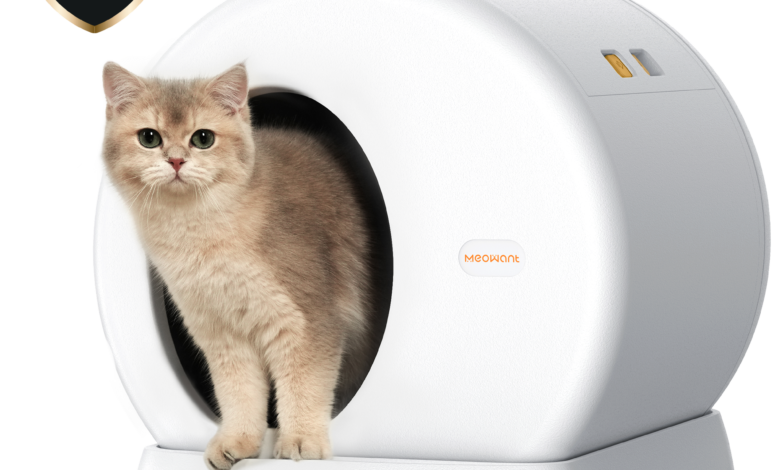
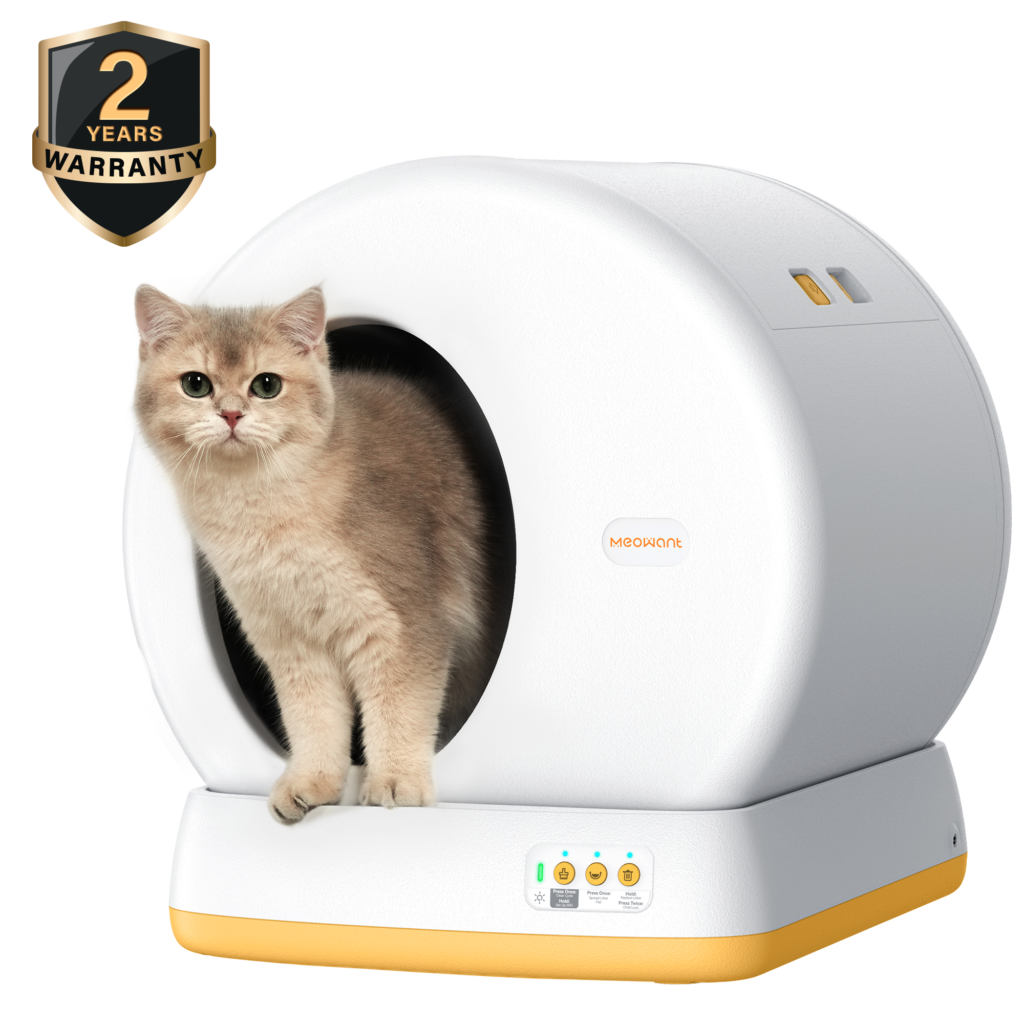
The market for smart cat litter boxes has evolved significantly, with several manufacturers now prioritizing the combination of low entry access and quiet automated cleaning. Brands like Meowant and other pet-focused innovators have recognized that elderly cat owners represent a growing segment with distinct needs. When evaluating these products, the most important metrics to compare include step-in height, measured noise during operation, cleaning cycle duration, and overall footprint. The best smart cat litter box options in this category share common traits: they treat accessibility and silence as primary design goals rather than secondary considerations, and they incorporate sensors intelligent enough to adapt their behavior based on cat usage patterns.
Product Highlight 1: Low-Profile Automated Rotating Design
One category of smart cat litter box that excels for elderly cats uses a slow-rotating drum mechanism with a front entry point sitting just two to three inches above the floor. These units operate by slowly turning the entire litter chamber after use, sifting clumps through a grate into a sealed waste drawer below. The rotation speed is deliberately slow—typically completing a full cycle in three to four minutes—which keeps noise levels remarkably low, often under 40 decibels. The wide, open entryway accommodates cats of various sizes without requiring any climbing motion. For owners, the sealed waste system controls odor effectively, and the simple mechanical design means fewer components that might fail or require repair. The primary limitation is the larger physical footprint these units require, and cats who prefer covered spaces may feel exposed in the open-front design.
Product Highlight 2: Ramp-Entry Self-Cleaning Box with Sound Insulation
Another strong option features a built-in textured ramp leading to the litter area, combined with a rake-based cleaning system housed within sound-insulated panels. The ramp approach eliminates step-in height entirely, making it particularly suitable for cats with severe arthritis or those recovering from leg surgery. The cleaning mechanism activates on a delayed timer—typically fifteen to twenty minutes after the cat exits—and uses a quiet brushless motor to sweep waste into an enclosed compartment. Sound insulation surrounding the motor housing keeps operational noise to library-quiet levels. This design also tends to be more compact than rotating models, fitting more easily into bathrooms or closets. The trade-off involves the ramp itself, which adds length to the unit and requires occasional cleaning to remove tracked litter. Some cats also need a brief adjustment period to learn the ramp approach, though most adapt within a few days when encouraged with treats or familiar litter scent placed inside.
How to Ensure Cat Comfort with the Right Litter Box Choice
Selecting a litter box with low entry and quiet operation addresses the two most critical barriers, but true cat comfort encompasses additional factors that influence whether your elderly feline uses the box consistently. Size matters significantly—a box should be at least one and a half times your cat’s body length, giving them room to turn, position, and dig without feeling cramped or brushing against walls that might aggravate sensitive joints. The litter itself plays a role too; fine-grained, soft substrates are gentler on tender paws than coarse pellets or sharp crystal varieties, and unscented options prevent overwhelming cats whose sense of smell may compensate for declining vision.
Placement deserves careful thought as a component of overall cat comfort. Position the box on the same floor where your cat spends most of their time, eliminating stair navigation entirely. Choose a quiet corner away from appliances like washing machines or furnaces that produce sudden vibrations or noise. Placing the box on a rubber mat dampens any residual sound from automated cleaning while also catching tracked litter. Monitor your cat’s behavior closely after any change—reluctance to enter, hovering near but not using the box, or vocalizing during use all signal that adjustments are needed. Some cats prefer open designs for visibility while others feel safer with partial enclosure, so observe rather than assume. Adapting to your individual cat’s preferences, rather than forcing a one-size-fits-all approach, transforms a functional purchase into a genuine comfort solution.
Step-by-Step Solution Guide for Elderly Cat Owners
Moving from understanding to action requires a structured approach. Rather than impulse-buying based on marketing claims, elderly cat owners benefit from a systematic process that matches their specific situation to the right product. The following steps transform an overwhelming marketplace into a manageable decision path, ensuring you invest in a solution that genuinely serves your cat’s needs while fitting your home and lifestyle.
Step 1: Assess Your Cat’s Mobility and Environment
Begin by observing your cat’s movement patterns over several days. Watch how they navigate furniture, stairs, and their current litter box. Note whether they hesitate before stepping up, favor one side, or show stiffness after resting. Measure the maximum height your cat comfortably steps over by placing books or boards at varying heights and observing their ease of clearance—this gives you a target entry height. Next, evaluate noise sensitivity by noting reactions to household sounds like closing cabinets or running appliances. Cats that startle easily or leave rooms when motors activate will need the quietest options available. Finally, assess your available space, measuring potential placement areas and noting proximity to walls, furniture, and high-traffic zones that could limit your options.
Step 2: Research and Compare Litter Box Options
Armed with your cat’s specific measurements and sensitivities, search for the best litter box for cats using targeted criteria. Filter products by entry height first, eliminating anything exceeding your cat’s comfortable threshold. Then check manufacturer-stated decibel levels, prioritizing models under 45 decibels. Read owner reviews specifically from people with elderly or disabled cats—their real-world experiences reveal issues that product descriptions omit. Compare cleaning mechanisms, noting whether models use rotating, raking, or flushing systems, as each produces different sound profiles. Create a shortlist of two or three options that meet your accessibility and noise requirements while fitting your space constraints.
Step 3: Implement and Maintain for Optimal Use
Once your smart cat litter box arrives, place it on a thick rubber or foam mat to absorb any residual vibration and reduce sound transmission to floors. Position it beside the old litter box initially, allowing your cat to explore voluntarily. Place familiar-scented litter inside and consider sprinkling a small amount of used litter to signal purpose. Keep the old box available for one to two weeks during transition. Set cleaning cycle delays to maximum initially, ensuring your cat is well away before activation occurs. For ongoing maintenance, clean ramps or entry surfaces weekly to prevent litter buildup that could create slippery conditions. Check motor components monthly for developing noise, as worn parts gradually increase volume. Replace litter substrate completely every two weeks rather than simply topping off, maintaining the soft, clean surface that keeps sensitive paws comfortable and encourages consistent use.
Restoring Comfort and Independence for Your Aging Cat
Choosing the best litter box for cats with mobility challenges comes down to two fundamental priorities: removing physical barriers to entry and eliminating noise that creates anxiety and avoidance. A low entry design—whether achieved through shortened front walls, integrated ramps, or open-front configurations—gives aging cats the independence to maintain their hygiene routine without pain or struggle. Quiet operation, delivered through brushless motors, sound-dampening enclosures, and delayed cleaning cycles, ensures that even the most sensitive felines remain calm and confident around their litter box. Together, these features transform a daily necessity from a source of stress into a comfortable, dignified experience. Remember that the right choice depends on your individual cat’s specific limitations, your available space, and your willingness to guide a gentle transition period. By systematically assessing mobility needs, comparing products against measurable criteria like entry height and decibel output, and implementing thoughtful placement and maintenance practices, you give your elderly companion the gift of comfort during their golden years. The investment in a properly designed litter box pays dividends in fewer accidents, reduced stress for everyone in the household, and a stronger bond built on attentive, compassionate care.