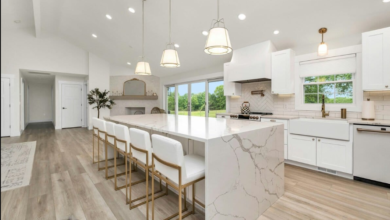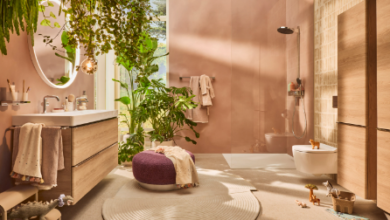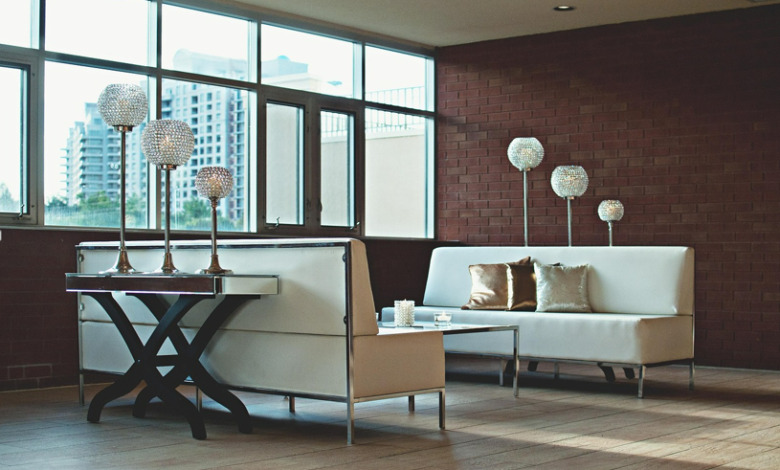
The aspect most often forgotten with interior design is lighting. While we spend a lot of time on colours and furniture arrangement and choice of flooring, the lighting in the space often changes the entire character of all the above. A house can be very large but ugly with poor lighting, or very small and bright and cheerful.
But in the case of residential property, especially if you consider the temperamental conditions experienced in the UK climate, it is vital to get this balance of lighting right. It is more than just a cosmetic solution. It is a crucial part of our circadian rhythms. We need to create a dynamic system that moves from the energetic stimulation of the day to the relaxing warmth of the evening. In this article, we will see how this can be achieved through a combination of both natural and artificial sources.
Understanding Natural Light
Natural lighting is the best source of lighting. Natural lighting portrays colours as they are and increases the levels of serotonin, helping to improve concentration and mood. But it is not always possible or practical to depend solely on the sun, especially during winter when the days are short.
You can make more use of natural lighting by positioning mirrors across windows. This increases the illumination in the room by reflecting sunlight and bouncing it further into the room. It’s also an important technique that involves keeping windows clean and cutting any vegetation that might be blocking sunlight when inside. Use paint that has a high-gloss finish and light colours when inside a flat that has reduced lighting. It makes the rooms inside the flat feel larger.
Managing light is just as crucial a task as maximizing it. You want versatility in your interior decorating design choices. Thick, heavy curtains can look fantastic in a bedroom, but they can weigh a room down during the daytime hours. Using multiple layers of window treatments is a fabulous idea. Adding sheer blinds to your decor can allow you to block glare while maintaining light, while heavy curtains can be closed for privacy reasons.
Artificial Light: Kinds and Uses
As the sun sets, lighting design becomes the focal point. One mistake is to place the lighting focus solely on overhead lighting. In variable lighting design, at least three different lighting elements need to be incorporated: ambient lighting, task lighting, and accent lighting.
Ambient Lighting
Ambient lighting is the base layer of your lighting design. It is the overall lighting that allows you to move around in the room. The kind of overall lighting that is usually present in normal homes is central ceiling fixtures with a large rattan lampshade, ceiling recess lights, or even giant floor lamps that project light to the ceiling. What is sought after in ambient lighting is to achieve an even level of illumination, but not create glare. Installing dimmer switches in ambient lighting is actually the best improvement you could do.
Task Lighting
The nature of the name indicates that task lighting is targeted at carrying out particular tasks. Task lighting has to do with lighting that is brighter and stronger compared to ambient lighting. If one is doing the lighting for their kitchen, they can use strip lighting at the bottom of the cabinet to focus on the worktops. If the room that needs to be lit is the living room or the home office, one can use an adjustable desk lamp or reading lamp alongside an armchair. Good task lighting will eliminate eye strain and ensure that one is not working in their own shadow.
Accent Lightings
This final layer is where the drama is added. Accent lighting is purely aesthetic. It is designed to highlight architectural aspects, artwork, and plants. It is used to draw attention to the things you love most in your room. Wall sconces, tracks, and even LEDs placed behind a TV or inside a bookcase are great examples of this light layer. It is responsible for creating depth and preventing rooms from appearing two-dimensional.
See also: How to Choose the Best Fence for Your Home
Your Ideal Balance Creation
A perfectly lit home is achieved through a combination of these factors. Maximizing on the use of natural light in the daytime and artificial lighting in the night creates a home that is not only functional and comfortable, but also aesthetically pleasing.